Feedlot Set-Up Management
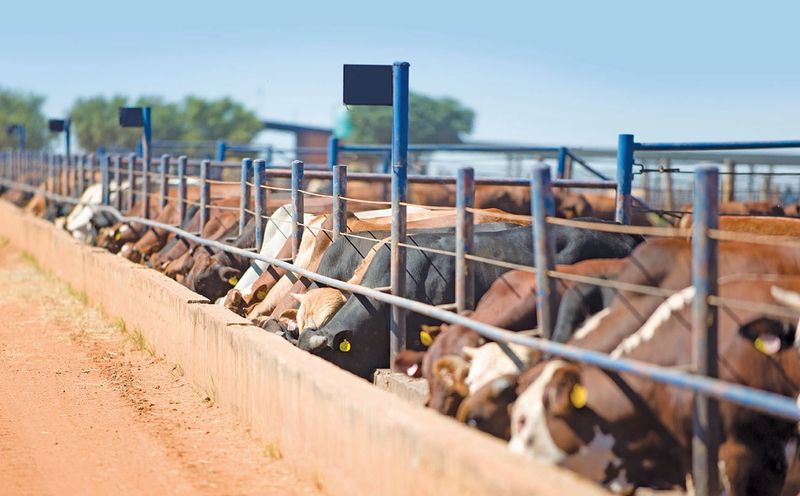
Feeding Station
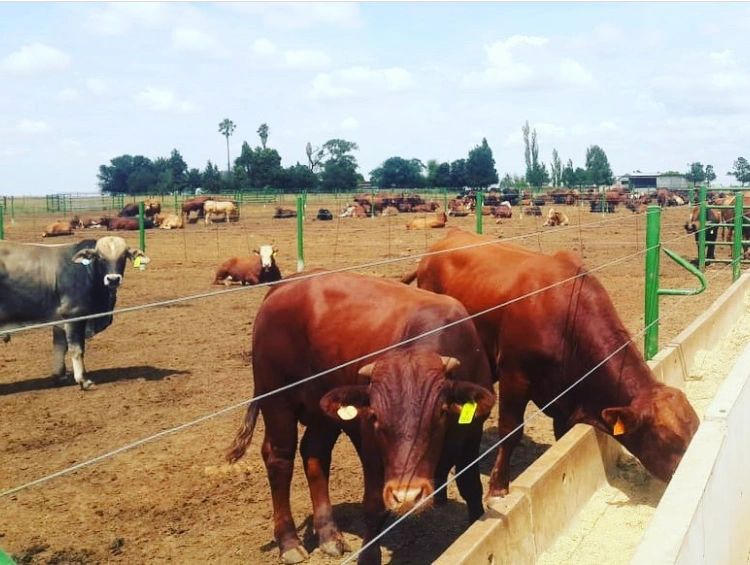
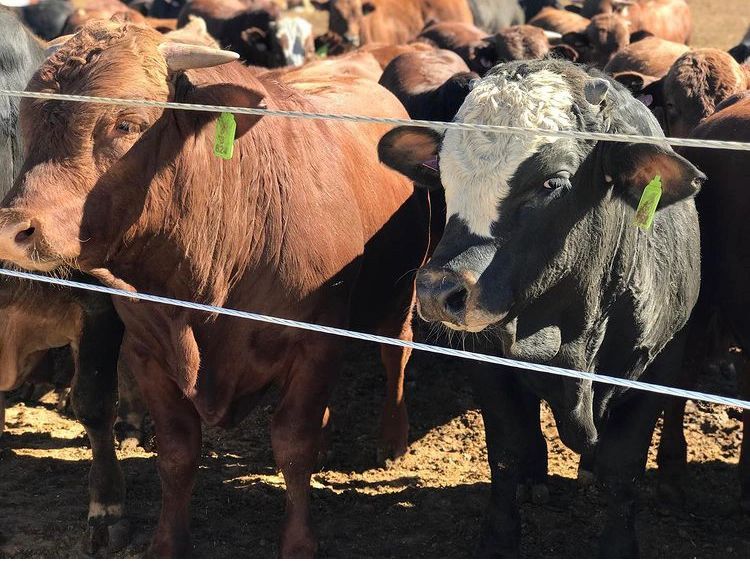
Feedlot Set-Up and Management
Setting up a feedlot is critical to the value chain of the overall business in Nigeria, and it involves a shift from traditional, extensive grazing to a science-driven, intensive system. The goal is to fatten cattle to a desired slaughter weight in a controlled environment for optimal meat quality and profitability.
- Site Selection and Infrastructure: Choose a plot with good road access to minimize feed and cattle transport costs. A reliable source of clean water (borehole, river, or dam) is essential.
- Land Preparation: Land size can be relatively small. A modern feedlot can operate on less than one hectare, even managing hundreds of cattle, thanks to the controlled feeding system.
- Pen Construction: Build a fenced feedlot with a concrete, gravel, or sand floor. The fence (strong wooden/iron poles with wire gauze) should be divided into pens.
- Space Allowance: Allocate approximately 2.5m x 2.5m per bull for housing and feeding space.
- Shelter: While sheds may not require roofs, a roofed area is important to protect animals from adverse weather, which can slow fattening. Walls can be made of bamboo poles to provide shade while ensuring ventilation.
- Essential Equipment: Feed and water troughs (one per pen), Hay racks, a weighing bridge and scale (crucial for tracking growth), spray race or dip (for parasite control), treatment crush (for safe veterinary procedures), loading and unloading area, Quarantine unit for new arrivals, Office and feed stores, and First aid kit.
- Getting Started: Cattle Breeds: Selecting the right breed is the first step. Common breeds used for fattening in Nigeria include White Fulani, Red Bororo, Sokoto Gudali, N'dama, and Muturu. Many feedlots typically start with a starting weight of around 200 kg and finish at a slaughter weight of approximately 350 kg.
- Key Management Practices: Feeding is the most critical factor. The success of the business depends on the animal's ability to gain weight efficiently. (Feed Type, Feeding Schedule, Performance).
- Essential Equipment: A successful feedlot requires the following facilities:, Feed and water troughs (one per pen), Hay racks, A weighing bridge and scale (crucial for tracking growth), A spray race or dip (for parasite control), A treatment crush (for safe veterinary procedures), A loading and unloading area, Quarantine unit for new arrivals, Office and feed stores and First aid kit.
- Getting Started: Cattle Breeds: Selecting the right breed is the first step. Common breeds used for fattening in Nigeria include White Fulani, Red Bororo, Sokoto Gudali, N'dama, and Muturu. Many feedlots typically start with a starting weight of around 200 kg and finish at a slaughter weight of approximately 350 kg.
,