Cold Chain Build
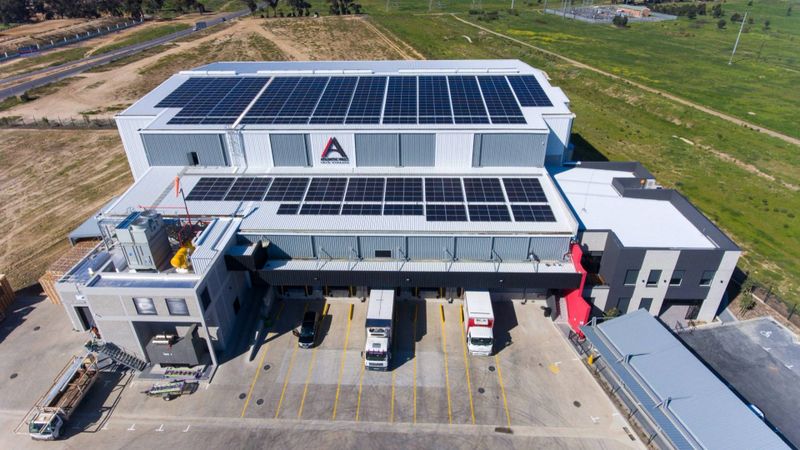
Cold Chain Storage
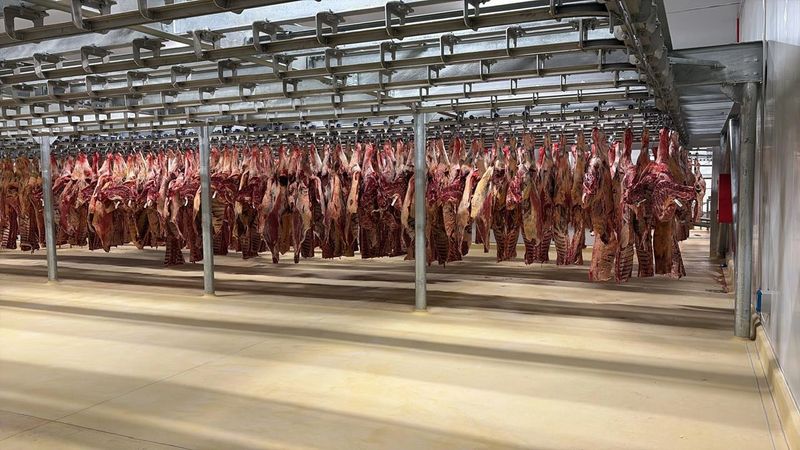
Chill Room
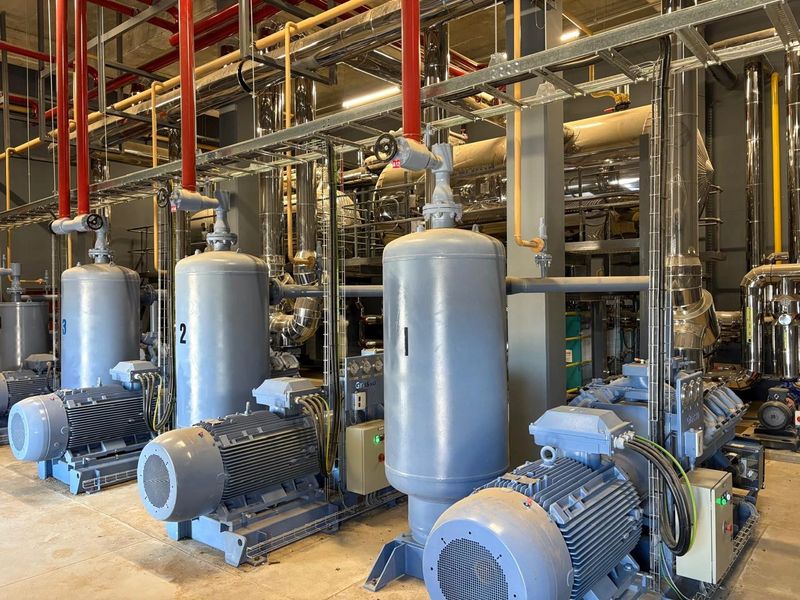
Compressor Tanks
Cold Chain Development
A robust cold chain is arguably the most critical physical asset for a modern abattoir and deboning facility in Nigeria. Without it, meat spoilage rates can exceed 30%, leading to massive financial losses and public health risks. Based on current national standards and regional best practices, here is the technical breakdown for setting up and managing a cold chain system for your facility.
1. Technical Specifications & Infrastructure Requirements:
To meet the standards set by the Federal Ministry of Livestock Development (FMLD) and international bodies like the FAO, your cold chain must consist of three primary components:
A. Cold Storage (The Cold Room) The standard for modern abattoirs in Nigeria (such as the ECOWAS-funded facility in Abuja)includes a 25-ton cold room.Temperature Classification: For storing fresh meat (not frozen), you require Positive Storage Rooms operating between 0°C and 5°C.
Construction: Use high-density Polyurethane (PU) insulated sandwich panels. The thickness (ranging from 50mm to 150mm) depends on your ambient temperature vs. the desired interior temperature.
Power Supply: Given Nigeria's grid challenges, a 3-phase electrical system is standard. Your installation must integrate a temperature controller to monitor the environment, and you should plan for backup power sources to maintain temperature during outages.
B. Refrigerated Transport
The cold chain breaks if the meat warms up during transit.
- Equipment: You require refrigerated vans (reefer trucks) to move carcasses or processed meat from the abattoir to distribution centers or retailers.
- Current Deficit: It is important to note that less than 5% of trucks used for perishable goods in Nigeria are currently refrigerated. Investing in your own fleet gives you a significant market advantage.
- C. Processing Environment (Deboning)
- The actual deboning and packaging room must be chilled to maintain a consistent ambient temperature (typically below 12°C) to prevent bacterial growth on the exposed meat surfaces during cutting and packing.
If you are building this today, ensure your plan includes:
- A 25-ton cold room with PU panels and 3-phase power connectivity.
- Refrigerated trucks for logistics (or a partnership with a certified cold logistics provider).
- SOP Manuals that align with the soon-to-be-released National FMLD guidelines.
- Backup power (generator or solar hybrid) to ensure the 0°C to 5°C range is never broken.
Would you like a deeper look at the specific power backup calculations (solar vs. generator) for a 25-ton cold room, or the HACCP checklist for the receiving bay?
Economic Impact & Business OpportunityInvesting in a cold chain is expensive, but the data suggests it is necessary for survival and profitability:
- Reducing Losses: Currently, Nigeria loses over N200 billion ($480 million) annually specifically in beef and dairy due to spoilage. A proper cold chain captures that value for your business .
- Market Access: If you ever plan to export, specifically to the Middle East (Halal market) or Europe, you cannot bypass the cold chain. Currently, only 30% of Nigerian processing facilities meet these export-grade standards